
Staying balanced while studying full-time or part-time isn’t about finding perfect harmony—it’s about making smart, intentional choices that allow your academics, health, and personal goals to support each other rather than compete. You already know the pressure: deadlines stack up, sleep suffers, and some days your to-do list feels like a trap. But with a few key habits, you can reclaim control of your time and energy while still progressing toward your educational goals. This article gives you seven straightforward strategies to help you avoid burnout, stay productive, and feel better about how you’re living and learning.
1. Use a Visual Weekly Planner to Anchor Your Time
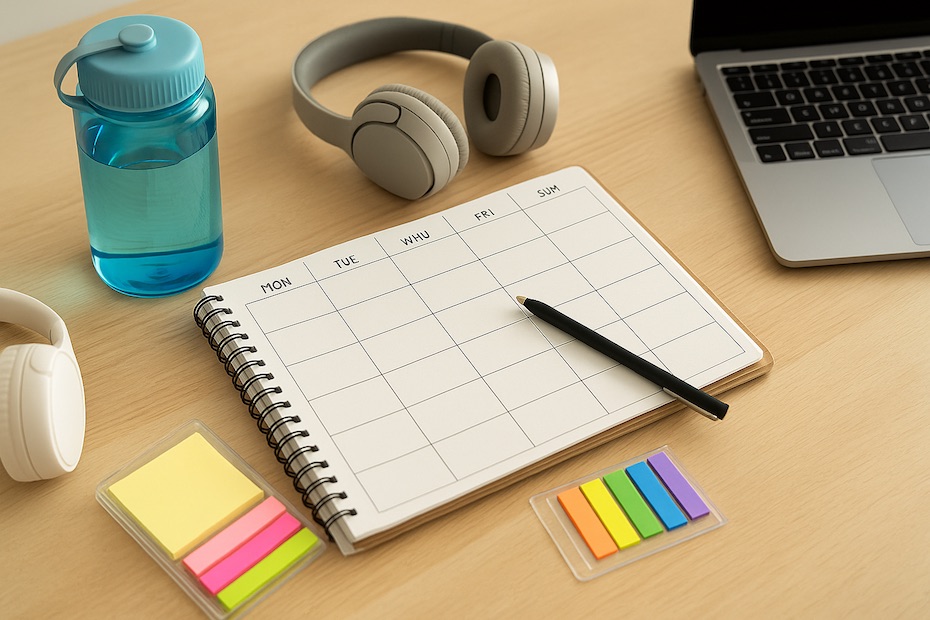
You can’t balance what you don’t see. That’s why using a visual planner—digital or physical—makes such a difference. When your time is spread across classes, part-time jobs, workouts, and personal life, it helps to see the full week at once. Start by blocking off fixed items: lectures, work shifts, appointments. Then assign study blocks, meals, and rest periods. You’ll quickly notice where you’re overloaded or underutilized.
Color-coding categories makes this even easier. Academic tasks in blue, self-care in green, social events in yellow—it becomes a living dashboard for your commitments. Most importantly, this gives you room to make decisions proactively instead of reacting when you feel overwhelmed. You’re not just tracking time—you’re giving it purpose.
2. Match Your Tasks to Your Energy Peaks
Your energy isn’t evenly distributed throughout the day, so don’t schedule your hardest work when your brain’s half asleep. Everyone has mental peaks—times when focus is easier and creativity flows. For many people, that’s mid-morning. For others, it’s early evening. Track your patterns for a week, then plan your deep-focus study sessions during those windows.
Save low-effort tasks for energy slumps. If your brain feels fried after a lecture, don’t force it into writing mode—switch to organizing notes or reviewing flashcards. This method protects your willpower and helps you do more in less time. You’re not just managing time now—you’re managing energy, which is even more valuable.
3. Protect Your Sleep Like It’s a Class
If your brain isn’t rested, it can’t retain new information. Sacrificing sleep to study is like trying to drive cross-country on a quarter tank—it’ll catch up fast. Prioritize 7–9 hours per night and aim for consistency. Set a wind-down routine and disconnect from screens at least 30 minutes before bed. That single shift will noticeably improve your ability to focus during the day.
You’ll also want to limit caffeine after 2 p.m. and make your sleep environment predictable. Cool, quiet, and dark is ideal. Once your body starts to associate bedtime with a repeatable routine, it becomes easier to fall asleep and stay asleep. Better sleep means better learning. No exceptions.
4. Eat Like You Respect Your Brain
You need consistent fuel to keep your mind sharp. Start with steady hydration—aim for around 2 liters of water daily—and avoid long gaps between meals. Skipping meals or binging on sugar-heavy snacks leads to energy crashes that wreck concentration. You don’t need a perfect diet, just a stable one.
A balanced plate is simple: protein, fiber-rich carbs, and some healthy fat. That might be grilled chicken with brown rice and greens, or eggs with whole grain toast and avocado. Smart snacking helps too—nuts, yogurt, or fruit between classes can stabilize energy. This isn’t about counting calories. It’s about treating food like the cognitive support it is.
5. Get Moving to Reset Your Focus
Physical activity isn’t just good for your health—it’s critical for your mindset. Even 20–30 minutes of movement a few times a week can improve memory, focus, and resilience to stress. The type doesn’t matter. Whether it’s walking, lifting weights, yoga, or riding a bike, it gives your brain a much-needed break from information overload.
If you can’t commit to long workouts, integrate short movement breaks throughout your study sessions. Set a timer: 45 minutes of focus, then 5–10 minutes of stretching or walking. These micro-breaks reset your focus and make marathon sessions more sustainable. It’s less about performance and more about momentum.
6. Schedule Social Time—Even Briefly
Academic balance isn’t just about managing tasks. It’s about maintaining connection. When school gets intense, your social life is often the first thing to vanish. That’s a mistake. Isolation increases stress and makes problems feel bigger than they are. Make it a habit to check in with someone each day—even a five-minute call with a friend can help reset your mindset.
You don’t need a packed social calendar to stay well. You just need a few solid interactions that remind you you’re not alone in this. Whether it’s study group banter, casual dinners, or texting a classmate, connection fuels motivation. It keeps you human in the middle of a grind.
7. Check In with Yourself Every Week
Every Sunday or Monday, take 10 minutes to ask: What went well this week? What drained me? What’s one thing I’ll improve next week? This small ritual is how you keep your balance on track. You’re not aiming for perfection. You’re building awareness and making small adjustments that protect your energy.
Maybe you realize you studied too late in the evening and slept poorly. Or you skipped meals during midterms. Or you took on too many tasks and ended the week stressed. Reviewing your choices gives you the power to realign. These mini-checkpoints help you prevent burnout before it begins.
To maintain balance while studying
- Plan your week visually
- Match tasks to your energy
- Prioritize sleep
- Eat consistent, brain-supportive meals
- Move often
- Make time for connection
- Reflect weekly to adjust habits
In Conclusion
You don’t need a flawless routine to live a balanced student life—you just need a few clear practices that align your time, energy, and goals. With smart scheduling, attention to health, and small moments of reflection, you’ll build a rhythm that supports both academic progress and personal well-being. Balance isn’t the finish line—it’s the skill you practice to keep going strong.
For more insights on education and personal growth, visit my WordPress blog.

Yitz Stern is a New York–based entrepreneur and business consultant with 20+ years of experience in alternative funding and real estate. A former CEO of Fundry and managing director at Tiger Financial Technologies, he now advises mid- to large, non-public companies on capital strategy and scalable growth while investing in multifamily real estate